
Prefabricated Construction
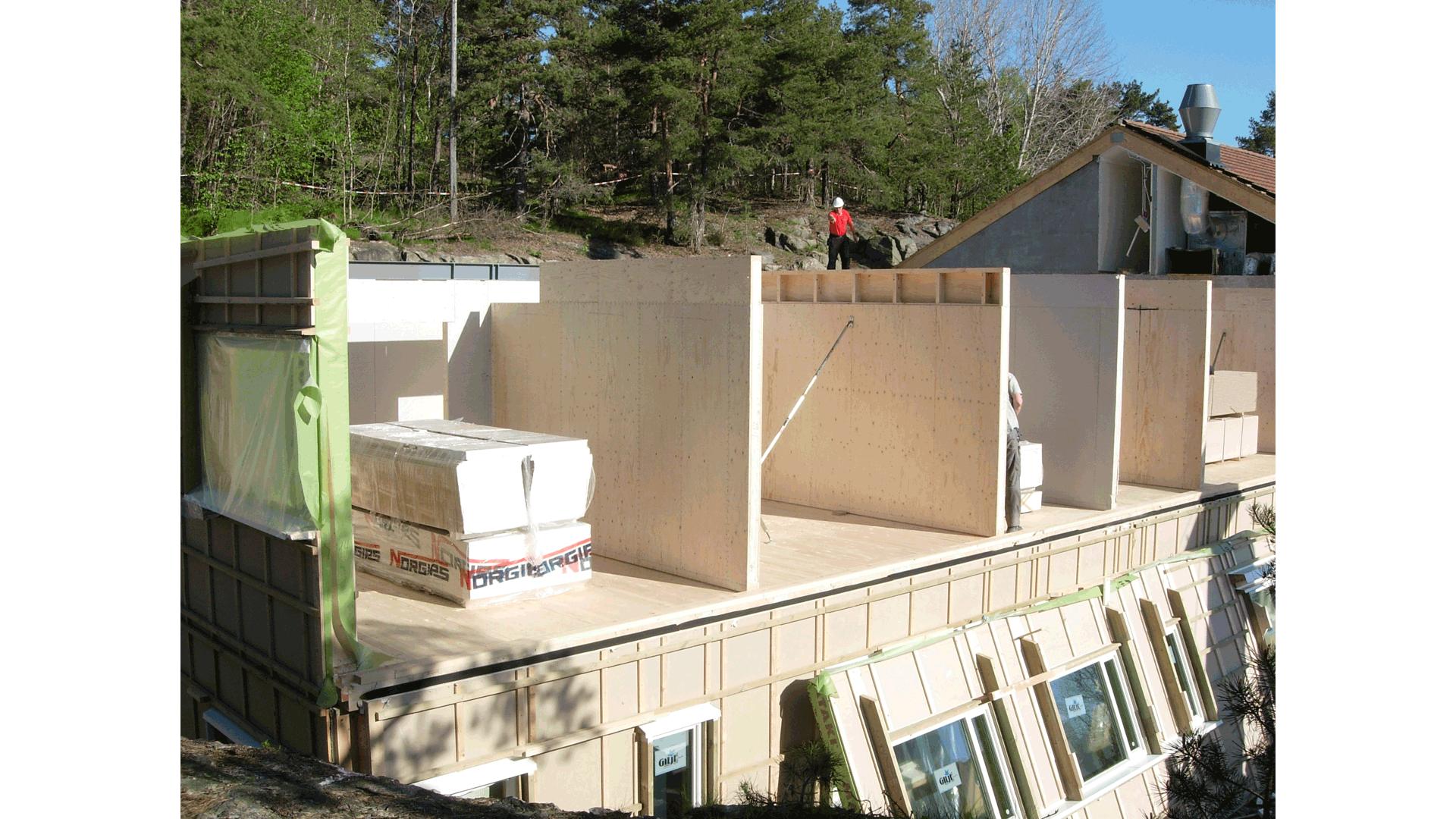
Prefabricated construction, or Prefab, is becoming increasingly iconic across the globe. Prefabricated components are manufactured at factory Production facility and transported to the construction site for assembling into larger structures. Prefabrication exists in various forms, each with its benefits. It can be incorporated based on the requirements of your project. The following section describes the different types of prefabs and their benefits.
Benfits of Prefab

Cost-Effective
Prefab buildings are relatively affordable since there is a high degree of control over material waste and other complicating factors.

Eco-Friendly
Reduction in air, water, and noise pollution at the construction site can reduce carbon footprint.

Conciseness
Prefab is the ideal solution for reducing work on redundant projects in buildings with similar rooms, such as hostels, hospitals, and institutional rooms.

Less Manpower
Lesser workers can complete the project in a much safer environment than traditional construction at sites.
Precut Timber Frames
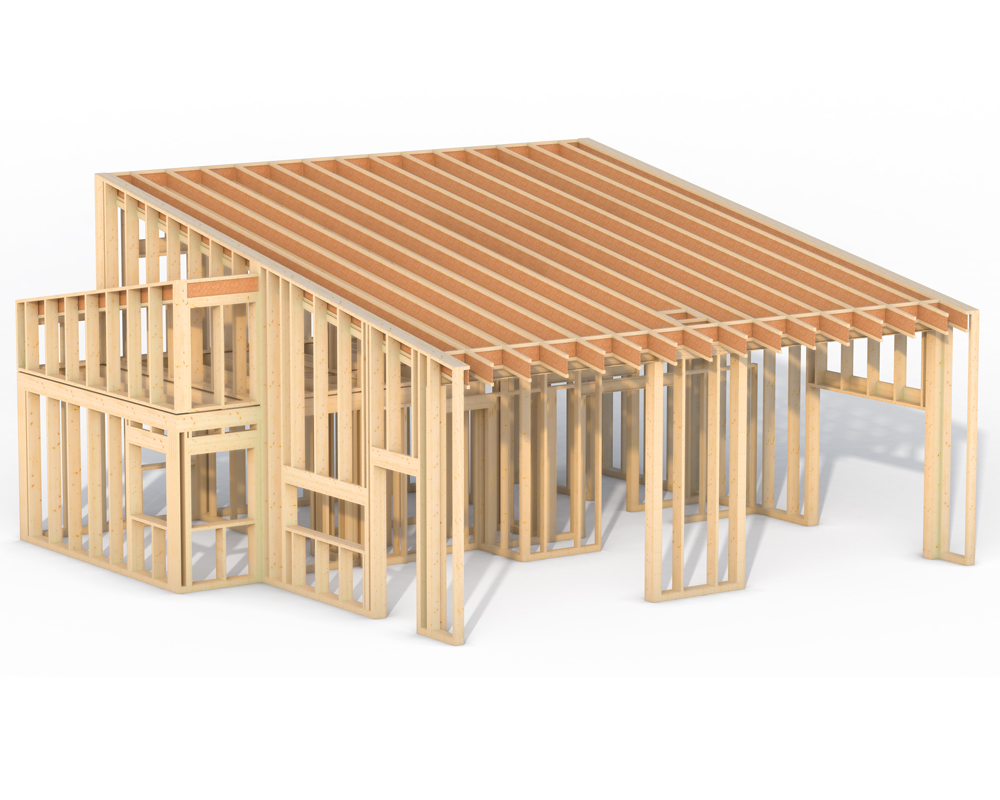
AEC Prefab provides various types of advanced CNC data as per available CNC machine to manufacture timbers in precise dimensions and angle as per 3D model when it fed into the system. It significantly reduces errors and boosts efficiency. These pre-cut, ready-cut, catalogue homes or kit houses are sleek and cost-effective with various benefits than other types of buildings. Factory-manufactured homes are so named because the materials are pre-cut to design specifications, shipped, and assembled on-site. Since all the parts are manufactured in the warehouse, these buildings are built partially on-site, saving labour costs.
Penalization
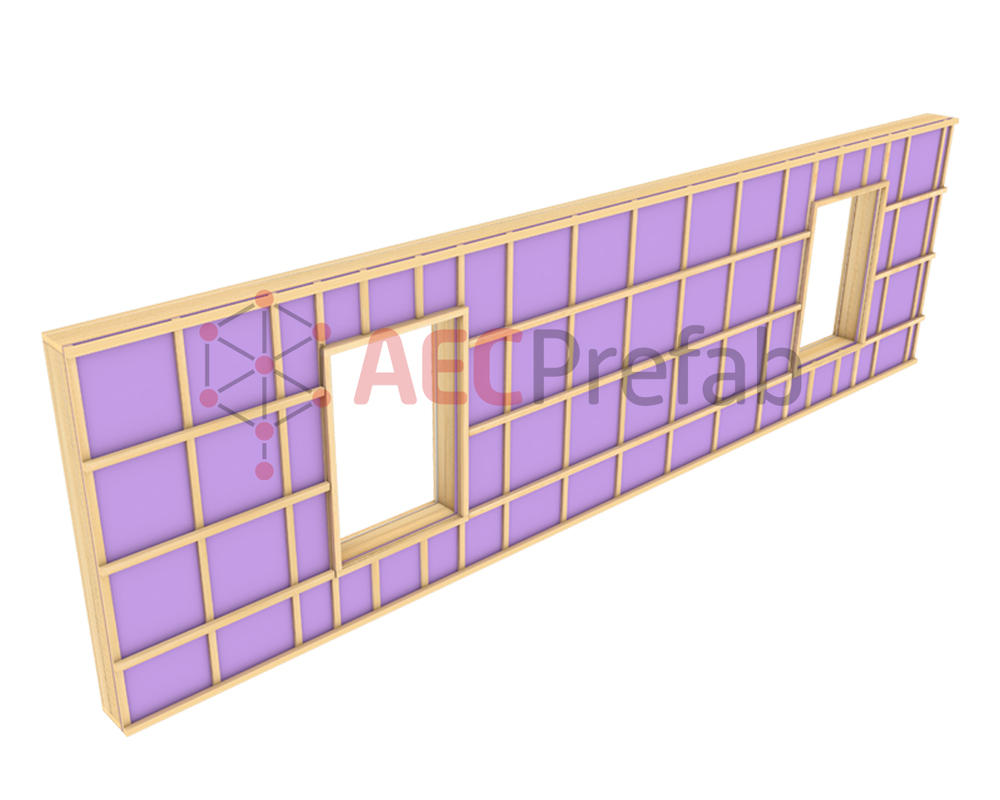
Panelization involves the construction of walls, floors, and roofs in the factory, shipped and assembled on the existing structures on-site. Plumbing and other infrastructure are installed later, thus increasing manual work on-site. It streamlines the construction process without committing to the entire project.
Modular Structures
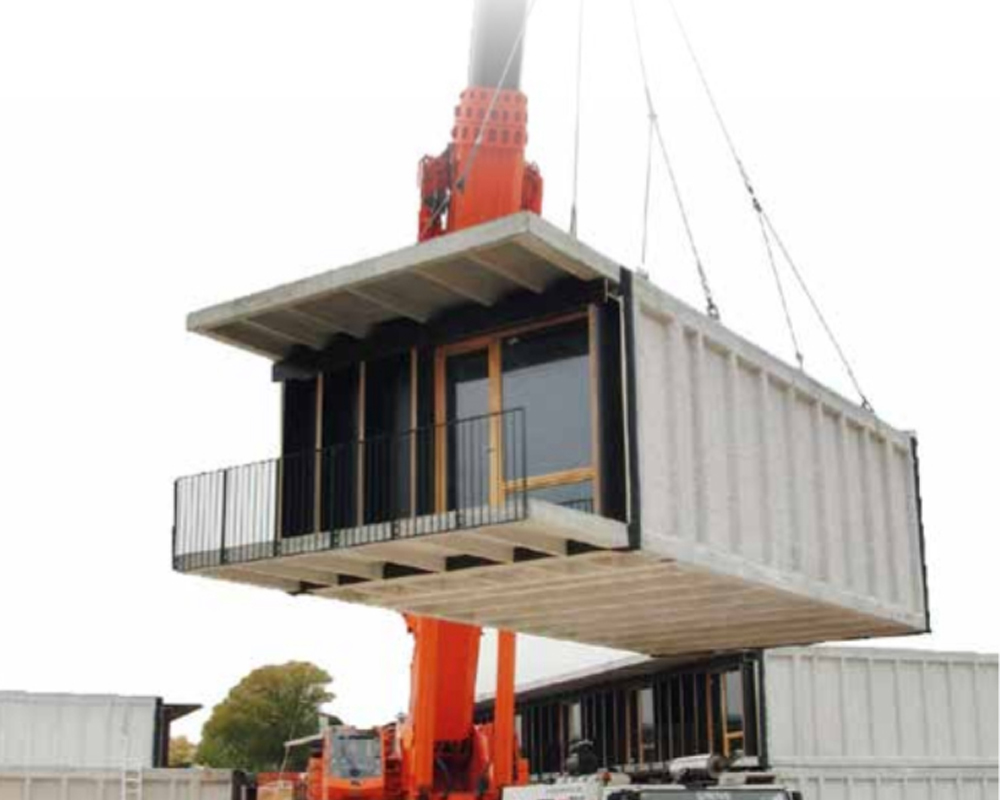
Modular construction, a form of prefabricated construction includes plumbing, electrical, and other functional units. Modular buildings are built in sections in the warehouse, shipped on-site, and assembled to form a complete structure. In a factory-controlled environment, 60-90 per cent of the work is completed either as a whole structure or as modular subassemblies for a larger project. Prefab modules can be stacked together to form different configurations that are created using lean manufacturing techniques. These units are assembled using inter-module connections, which reduces on-site labour. Modular projects should be meticulously planned to avoid errors before the project begins.
Build Your Own Designs
Register and get the visual experience